The New Asian Beauty Mindset
Updated: Jun 29
A cultural deep dive into the evolving beauty values of Japan, China and Vietnam
June, 2026
Cha Collective

Asia’s beauty market is changing at a remarkable pace. From Japan’s traditional J-Beauty to the globally influential K-Beauty of South Korea, and now the rising wave of China’s C-Beauty - people’s values are shaped by the culture and history of their own countries, and are evolving faster than ever under the influence of Western countries and other parts of Asia.
At Cha Collective, we looked at how beauty is perceived and practised in Japan, China and Vietnam. The result revealed not only clear cultural contrasts, but the evolving aesthetic identities of each region as they begin to intertwine.
Japan: The Philosophy Personalising the Beauty Equation
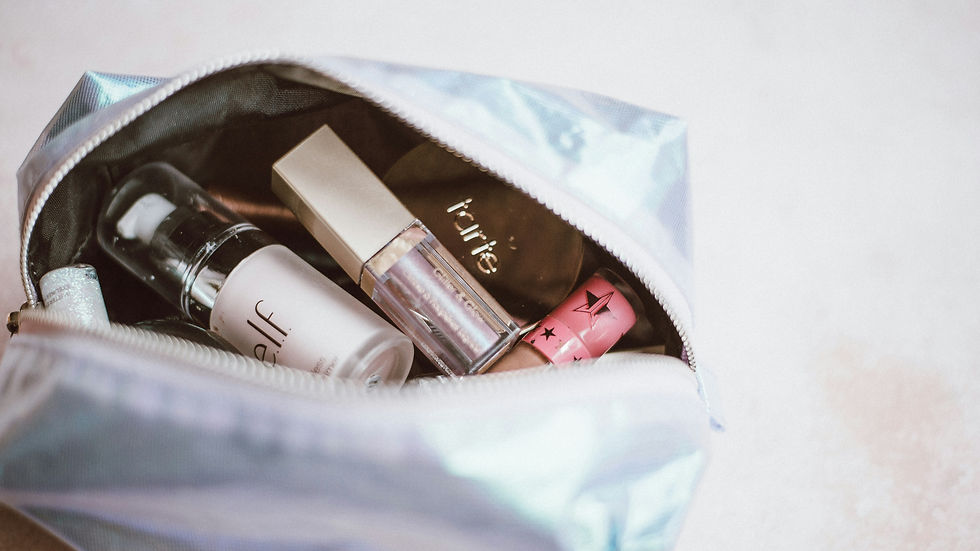
Japan’s beauty consciousness stretches back centuries. In the Heian period, noble women whitened their skin with powder (oshiroi) and drew their eyebrows high - markers of aristocratic beauty. The saying “Fair skin hides seven flaws” reflects a deep reverence for pale skin that persisted through the Edo period into the modern era, ultimately spawning a vast “brightening and whitening” (bihaku) category within the skincare industry.
In recent years, the once‑uniform ideal of beauty has been decisively upended. With women gaining greater social power and global culture celebrating diversity, particularly in the West, beauty has moved away from a fixed standard toward a more personal one rooted in self‑perception and self‑worth.
“There used to be a single definition of beauty — fair skin, youth, slimness — and people cared deeply about how others perceived them. Now, it’s about feeling beautiful yourself. Self-improvement and self-affirmation have become the very measure of beauty.”
Y.Y. / Beauty & Lifestyle Journalist, Japan
This ‘me-first’ approach to beauty is also reflected in purchasing habits. Rather than building an entire routine around expensive department-store cosmetics, the trend is to establish a “personal beauty equation” - strategically investing in select products while stretching value from affordable alternatives found in 100-yen or 300-yen shops. As budget cosmetics improve dramatically in quality, spending wisely on what works instead of brand prestige has become a mark of informed self-expression.
At the same time, particularly among Gen Z women, the threshold for cosmetic procedures and medical aesthetics has dropped, with an increasingly active approach to “editing” one’s appearance. The coexistence of this “lookism” influenced by China and Korea, alongside the “diversity of beauty” shaped by Western culture, reflects the layered complexity of Japan’s current beauty landscape.
China: Beauty at the Intersection of Tradition and Technology
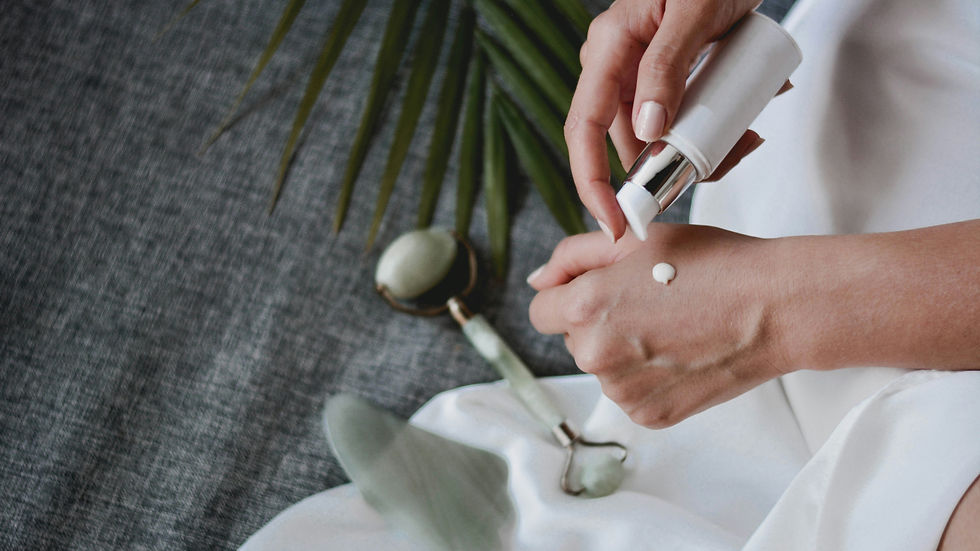
To understand China’s beauty values, Traditional Chinese Medicine (TCM) is an indispensable starting point. Ginseng, pearl powder, snow fungus, lotus flower - these are ingredients women have relied on for thousands of years to maintain skin health and youthfulness. They form the foundation of a holistic beauty philosophy: beauty is the result of nurturing inner balance.
On top of this traditional base, contemporary Chinese beauty values are rapidly “scientising.” Medical aesthetics have grown increasingly sophisticated, and ingredient-focused, evidence-backed skincare has become mainstream.
“The influence of ‘left-brain beauty influencers’ - who build their content on clinical data and scientific evidence - is growing. People’s knowledge of skincare has deepened as a result, and they’ve shifted to spending efficiently on products with proven active ingredients rather than paying a premium for famous brand names.”
L.Y. / Beauty Influencer, China
Consumers are increasingly focused on specific ingredients - salmon PDRN, copper peptides, hexapeptides - rather than brand heritage. The effects of “consumption downgrading” have driven demand for in-home beauty devices and science-led skincare brands that replicate clinic-level results at a fraction of the cost. This pursuit of smart, effective beauty resonates strongly with trends seen in Japan.
Among younger consumers, pride in domestic brands is also surging. C-Beauty labels like Florasis and Timage - fusing cutting-edge technology with traditional Chinese ingredients and aesthetics - are gaining ground, and the conviction that “great beauty can come from China” is beginning to move markets.
Vietnam: Awakening to Health‑Centred Beauty

Vietnam’s beauty culture is deeply shaped by its tropical environment. Rice water skincare, turmeric-based remedies for a brighter complexion, the skin-healing properties of centella asiatica - these represent generations of accumulated wisdom: beauty that lives in harmony with plants and the natural world.
Today, however, the forces most powerfully shaping Vietnam’s beauty trends come from South Korea and China. The Korean beauty wave, amplified through social media, is particularly strong, with brands like MediHeal and d’Alba enjoying immense popularity within Vietnam.
“Current beauty trends are almost entirely imported from abroad. They tend to arrive from China and South Korea - countries with similar climates and skin types. Because the skin characteristics and skincare needs are comparable, their approaches are easy to reference and adapt to local needs.”
H.N. │ Beauty & Fashion Journalist, Vietnam
What is particularly striking is the evolution in the values surrounding beauty. Where “femininity” and “making a good impression on others” once drove beauty motivations, a combination of economic growth, generational shifts, and the spread of overseas influence through social media is driving a move towards self-expression and health-centred beauty. Complex, multi-step routines are giving way to simpler, smarter skincare: fewer steps, maximum effect.
Awareness of environmental stressors such as tropical heat, air pollution, and fine particulate matter is also growing, making skin and scalp health a central concern. Meanwhile, homegrown brands like Cocoon are carving their own space by pairing Vietnamese natural ingredients with modern formulation science, bringing fresh energy to the market.
A Shared Shift: Beauty Moving from External Approval to Inner Alignment
Asia’s beauty industry is undergoing profound change - driven by social evolution, shifting climates, and the ongoing interplay between local sensibility and external influence. Though the cultural context differs from country to country, one current runs clearly through all three: the motivation for beauty is shifting from external validation to inner confidence.
The desire to “look good to others” is universal, but today’s consumers want more than that. Knowing yourself, choosing an approach that genuinely works for you, and feeling that you are investing in yourself: these things have become part of beauty itself.
For brands and products to remain relevant in Asian markets, functional claims and trend-chasing alone will not be enough. Deeply understanding the cultural context of each country, the historical arc of its beauty values, and the motivations of the consumer who lives there - right here, right now - is more important than ever.
Comments